Reimagining sales workflows for scattered BDR teams
I redesigned LeadFlo into one workspace so BDRs could launch campaigns faster, switch tools less and answer client questions without relying on analysts.
Role:
UI/UX Designer (lead; ~80% contribution)
Timeline:
Dec 2024 - Jun 2025;
7 Months
Skills:
→ User Experience
→ Market Research
→ IA & Product Architecture
→ Visual Design
→ Design systems
→ Prototyping
→ Design Handoff
Team:
→ Myself
→ Product Manager
→ Delivery Manager
→ Frontend & Backend Engineers
→ Data Analyst
→ QA
Project Overview:
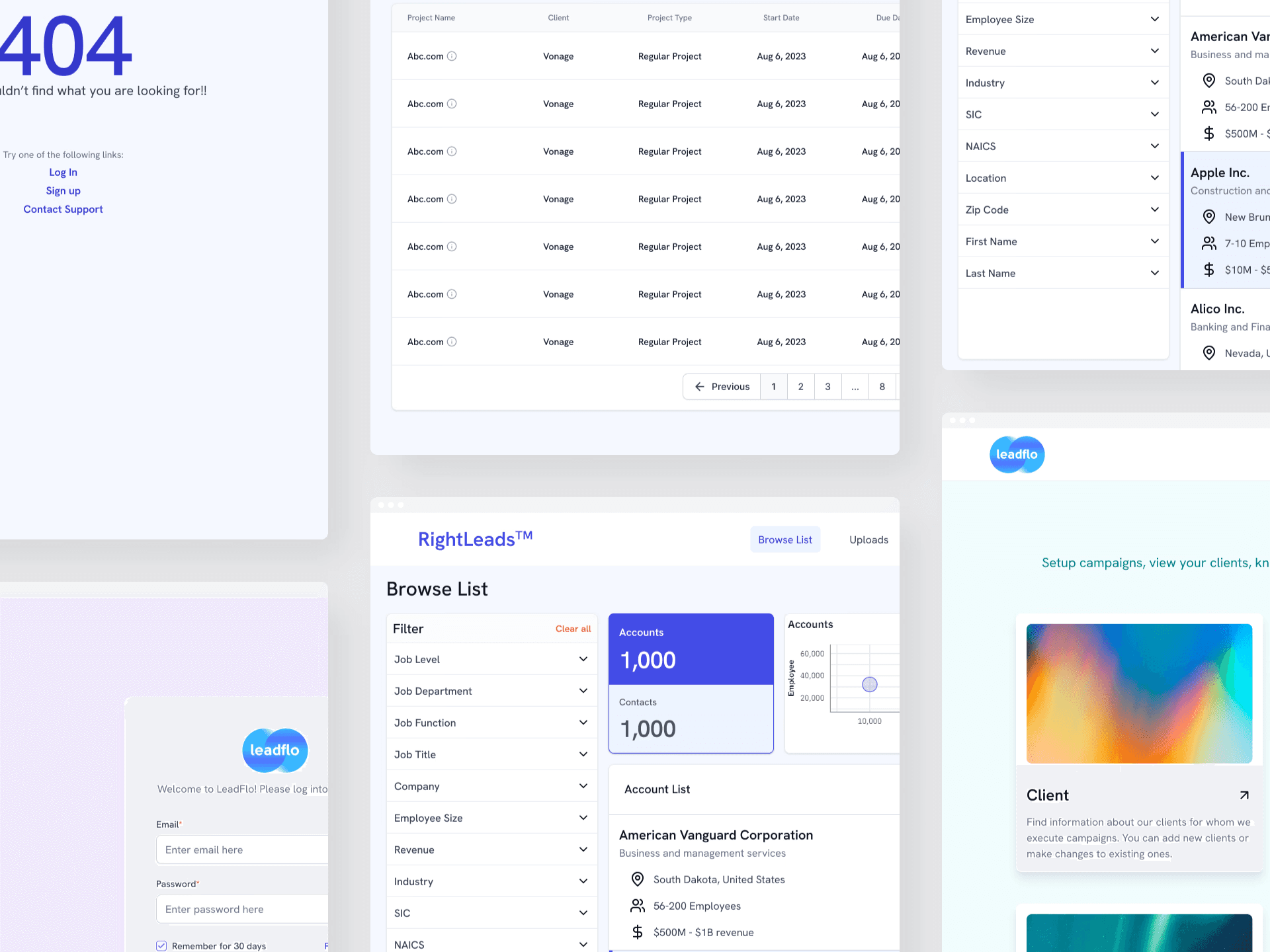
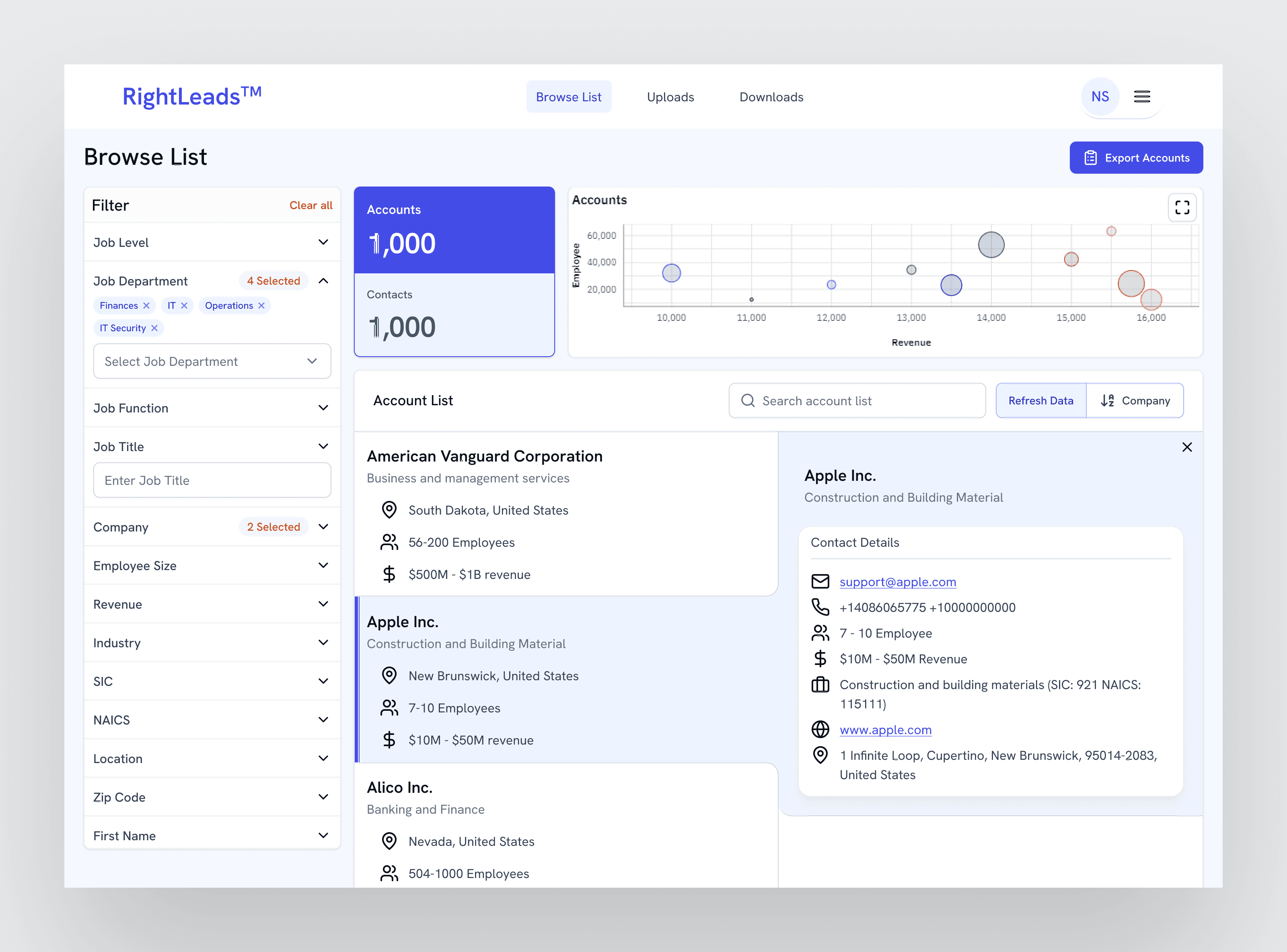
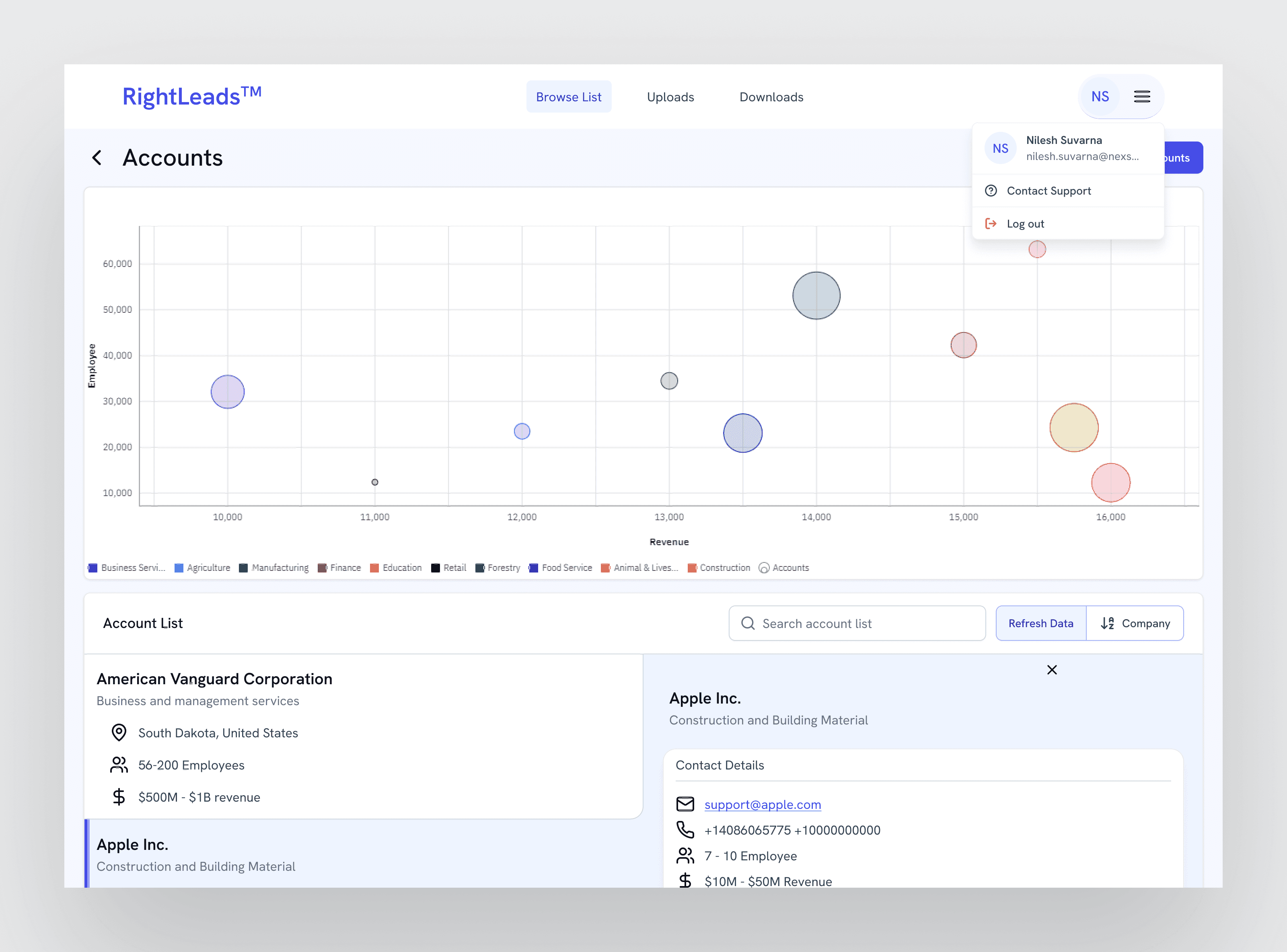
LeadFlo is a unified workspace for business development teams who were previously juggling five disconnected tools just to launch a single campaign. Before this project, BDRs lost hours each week jumping between Goldmine, RightLeads, execution tools and reports to answer simple client questions. Over seven months, I led the end‑to‑end redesign of this ecosystem into one cohesive flow, from targeting to reporting, so teams could launch faster and explain results without analysts.
"In 3 months of pilot, BDRs set up campaigns faster, switched tools less and handled more client questions without support."
Challenges:
Before LeadFlo, a BDR who wanted to launch a campaign and report on it had to:
– Pull lead lists from Goldmine
– Enrich and validate them in RightLeads
– Set up campaigns in a separate execution tool
– Ping analysts for custom reports
This meant: duplicate records, inconsistent metrics and constant context‑switching. BDRs were frustrated; analysts were a bottleneck.
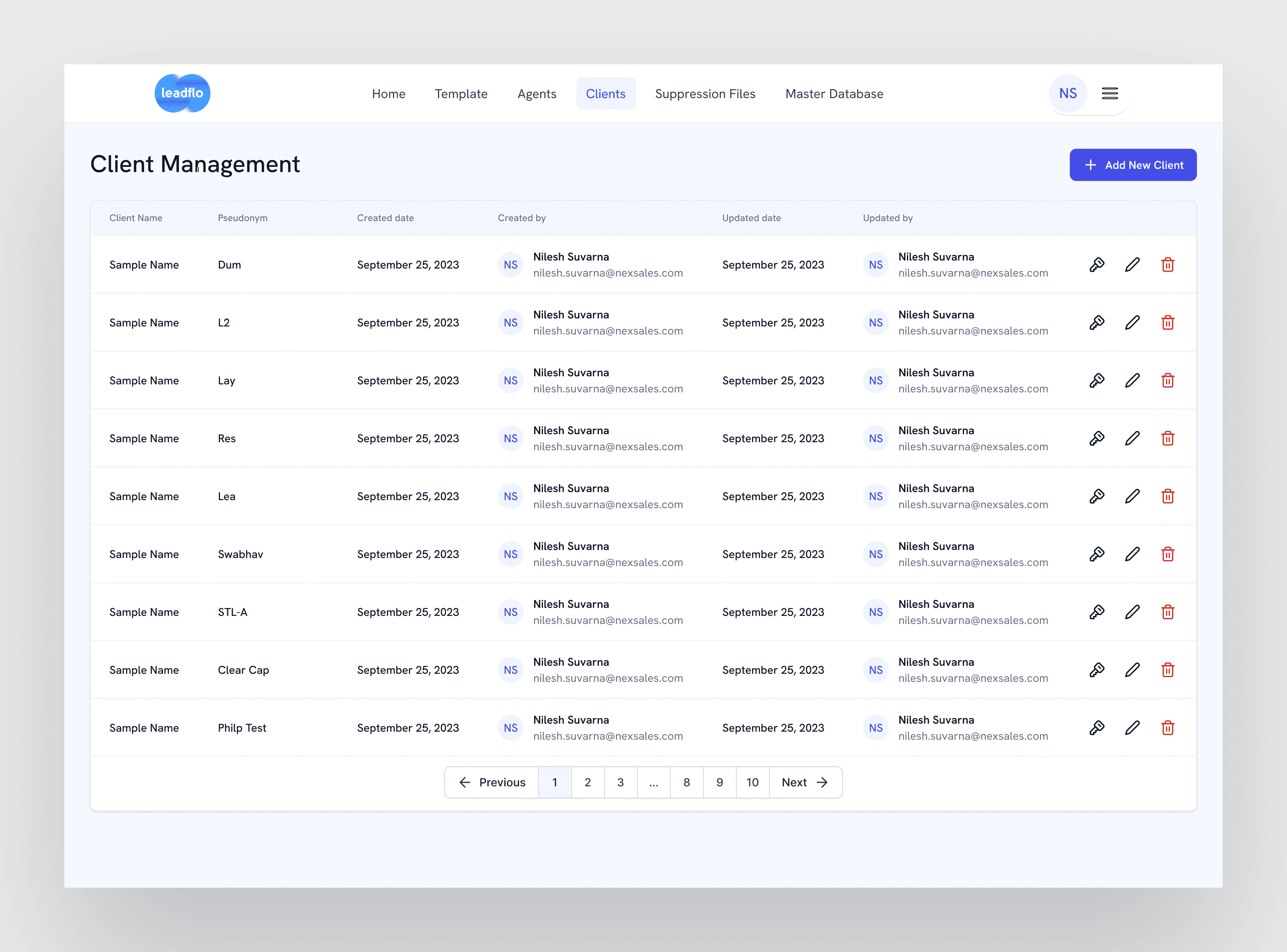
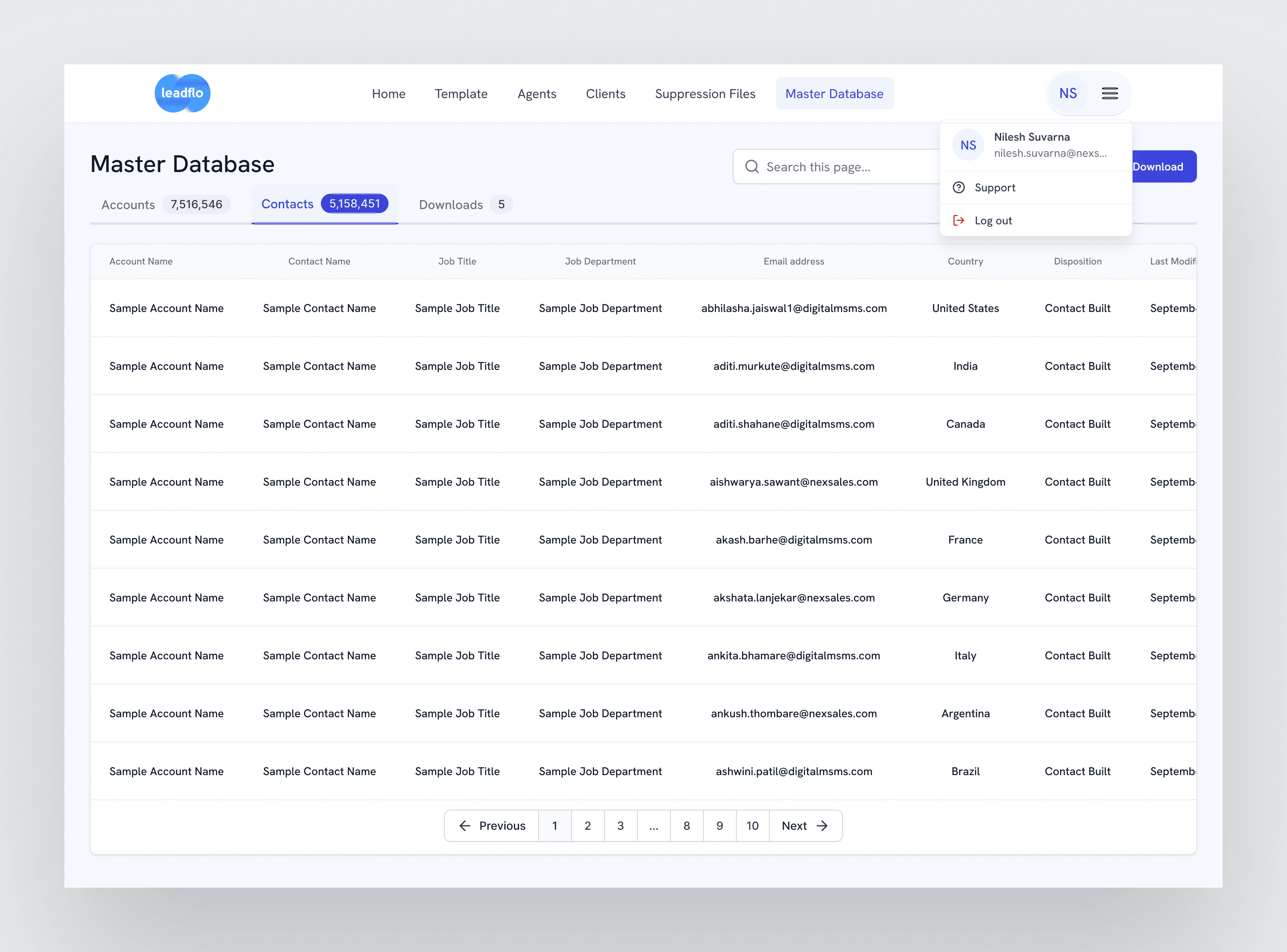
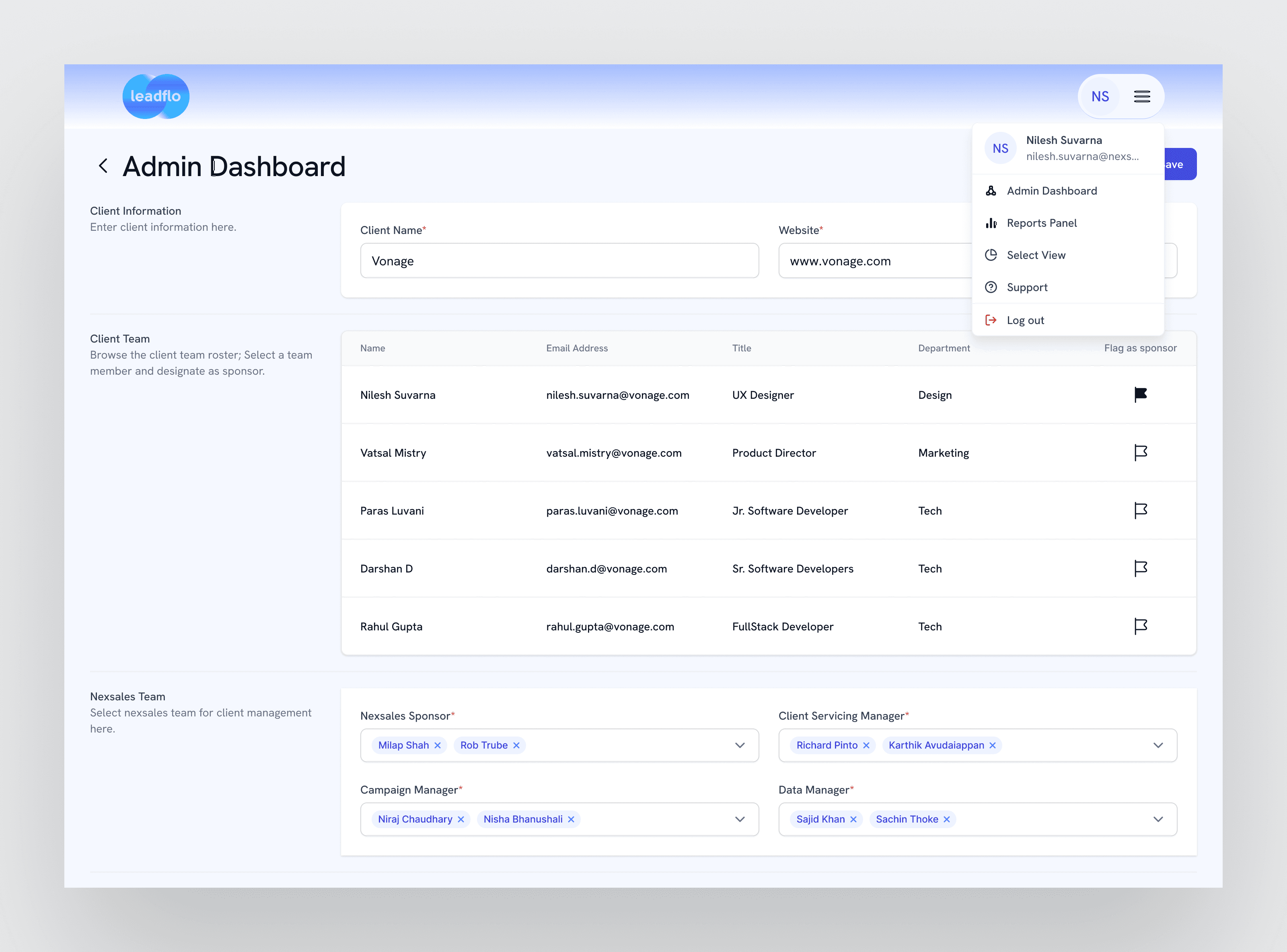
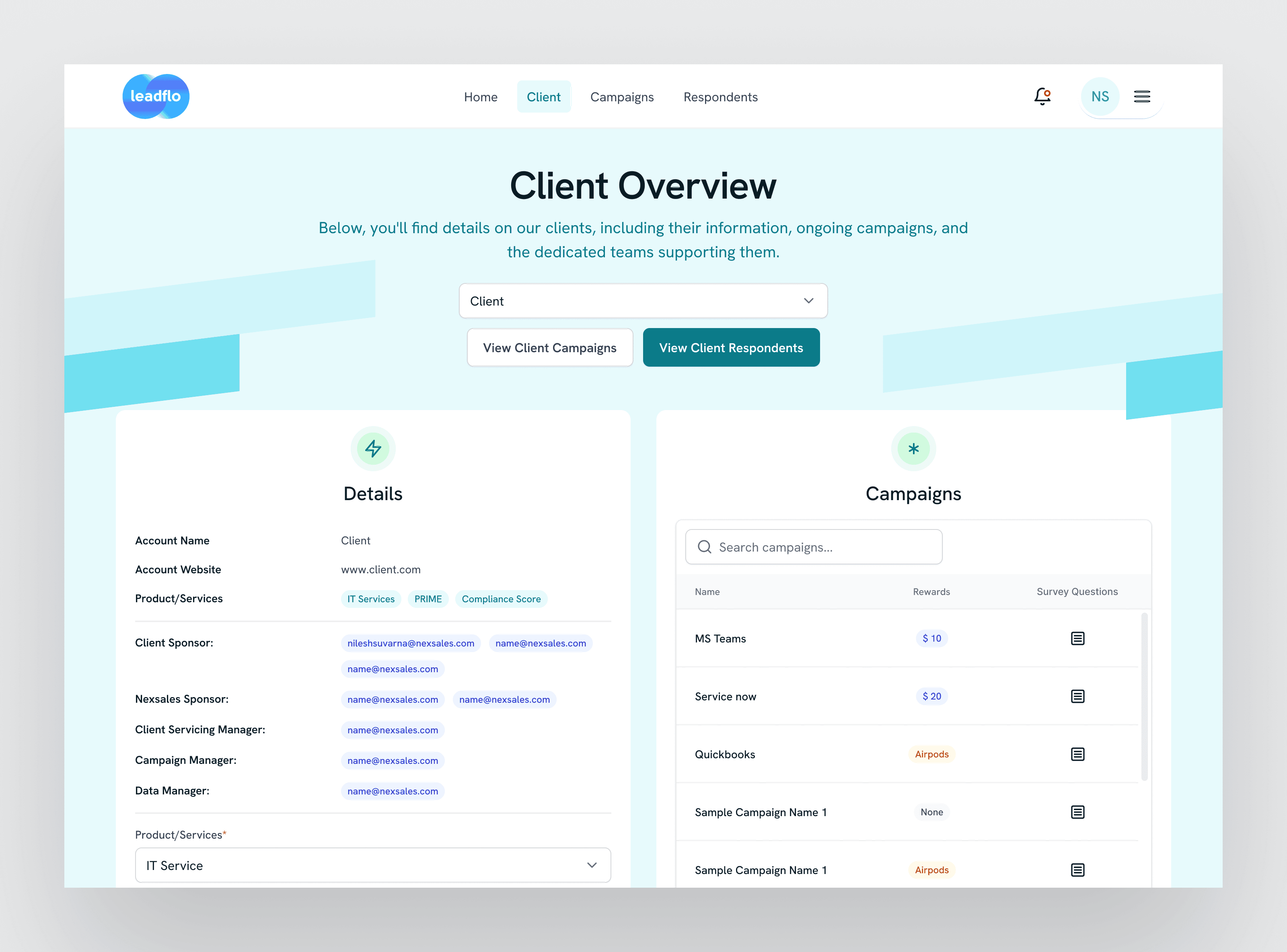
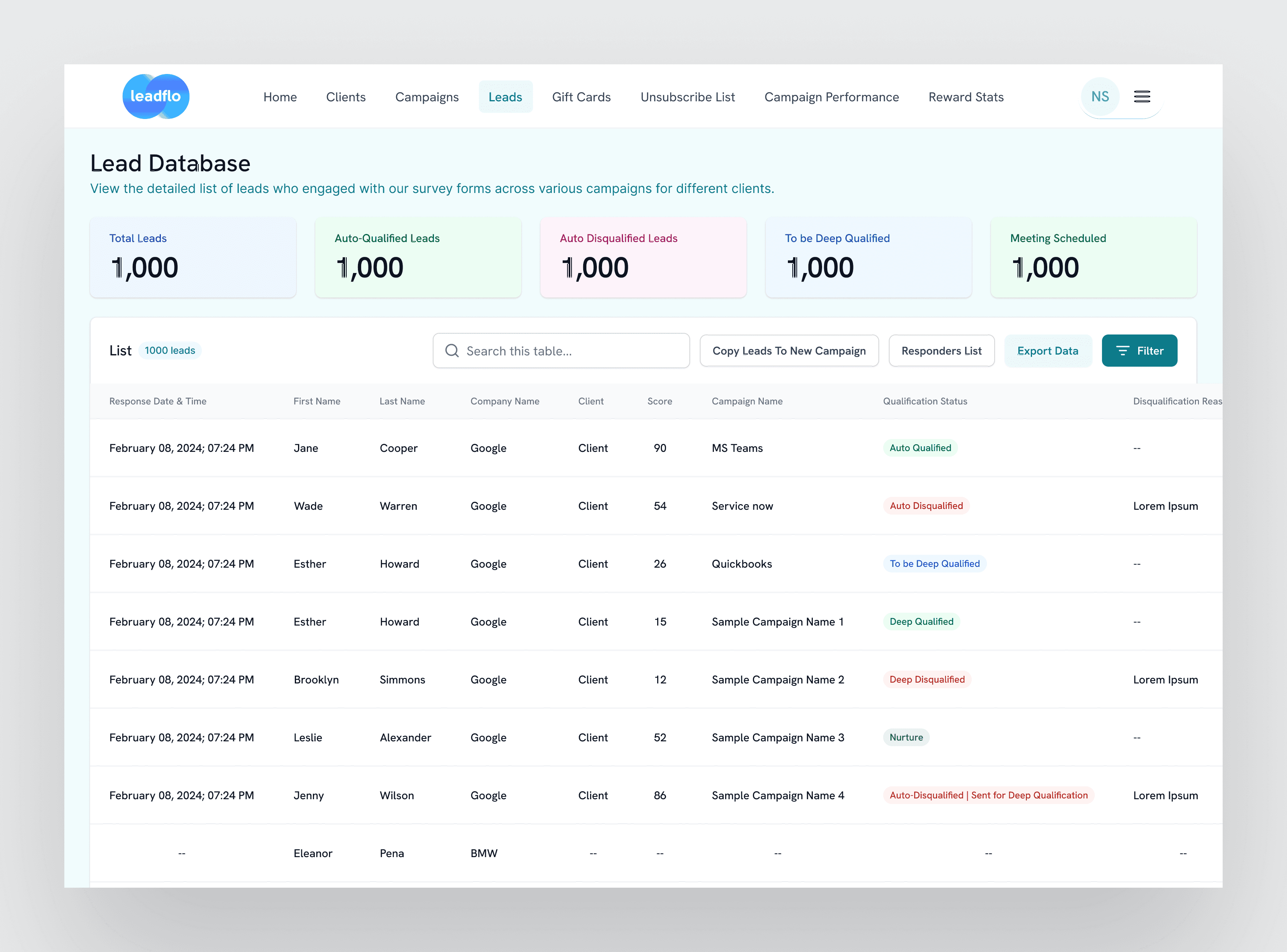
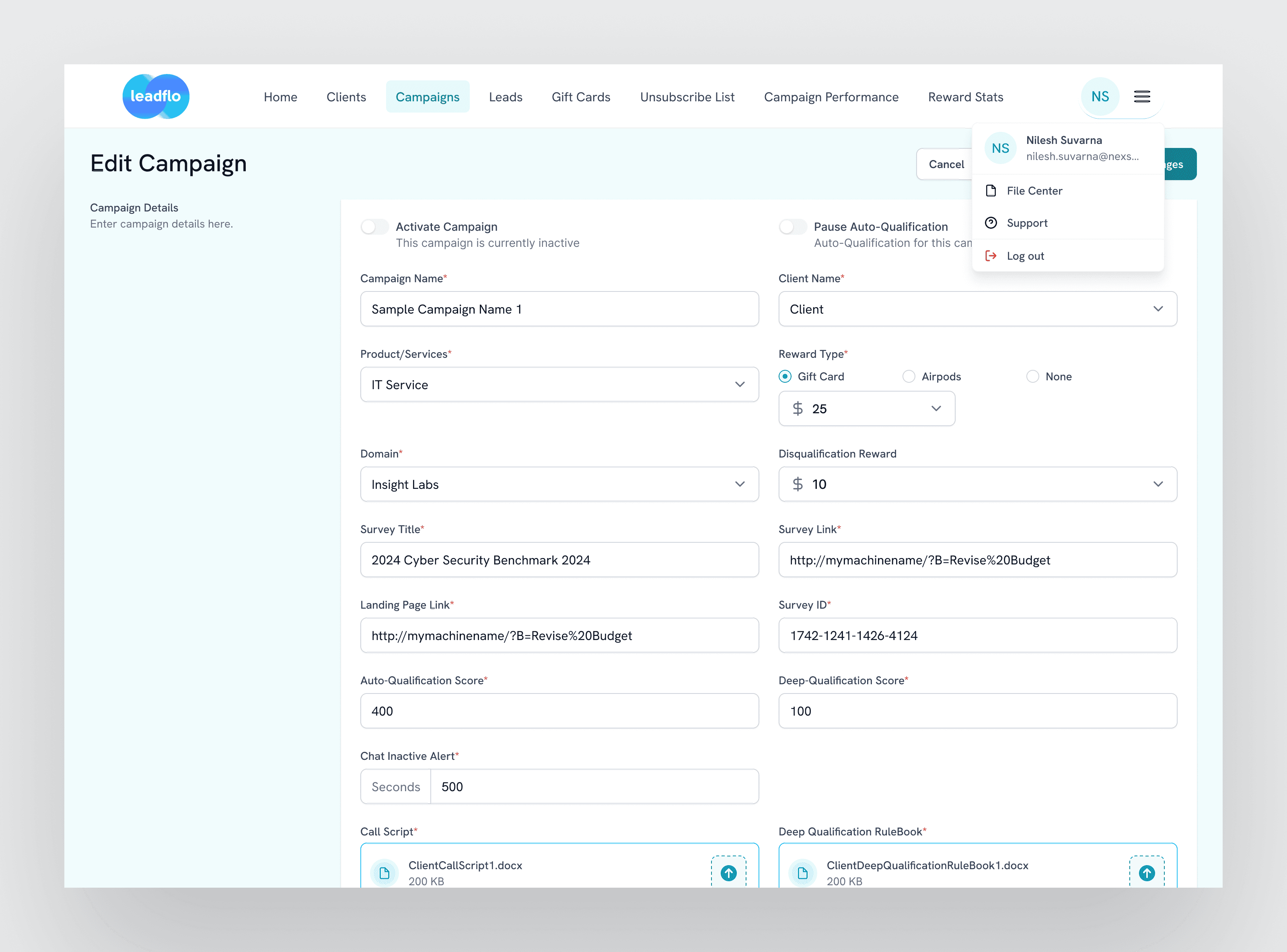
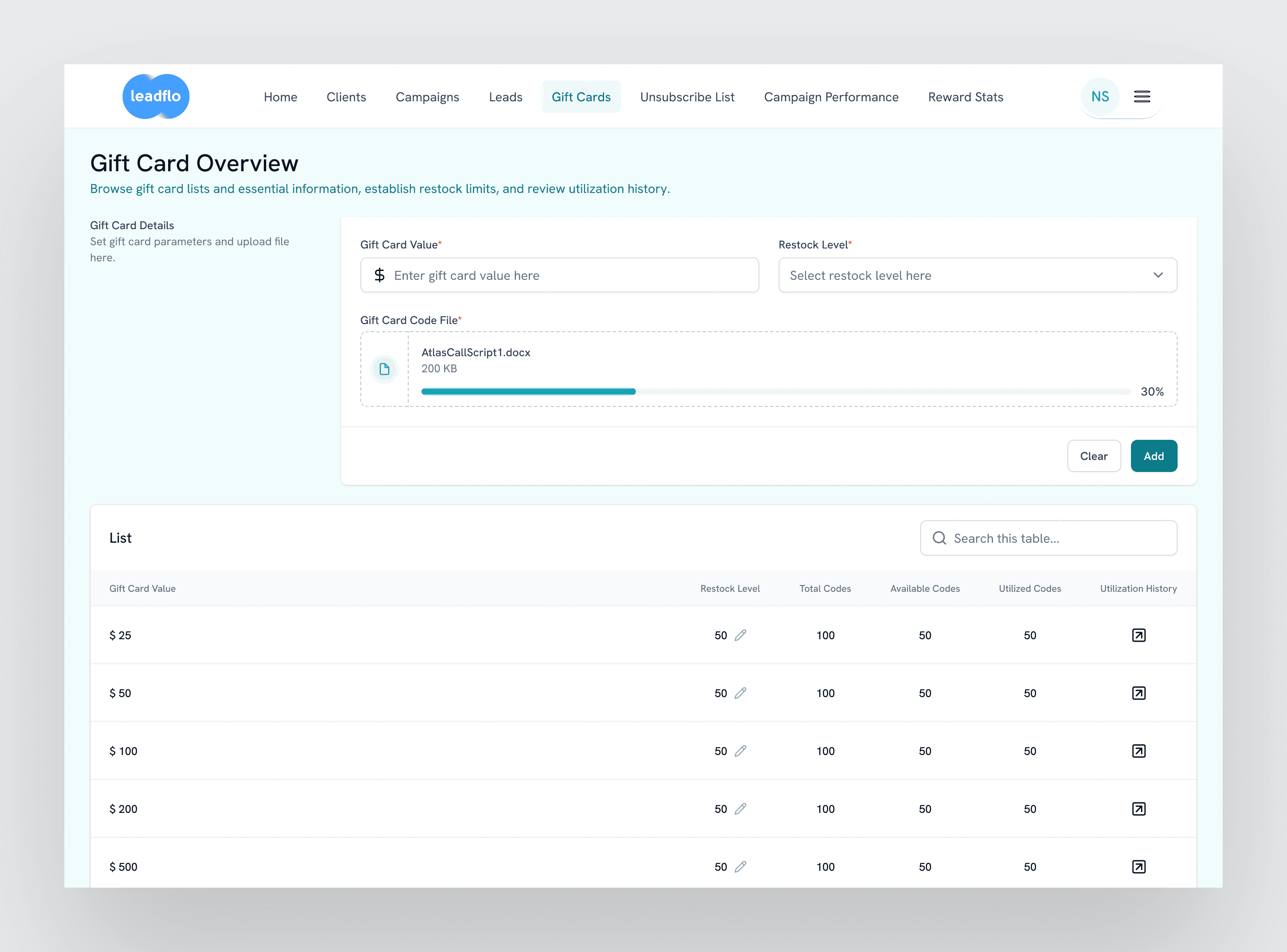
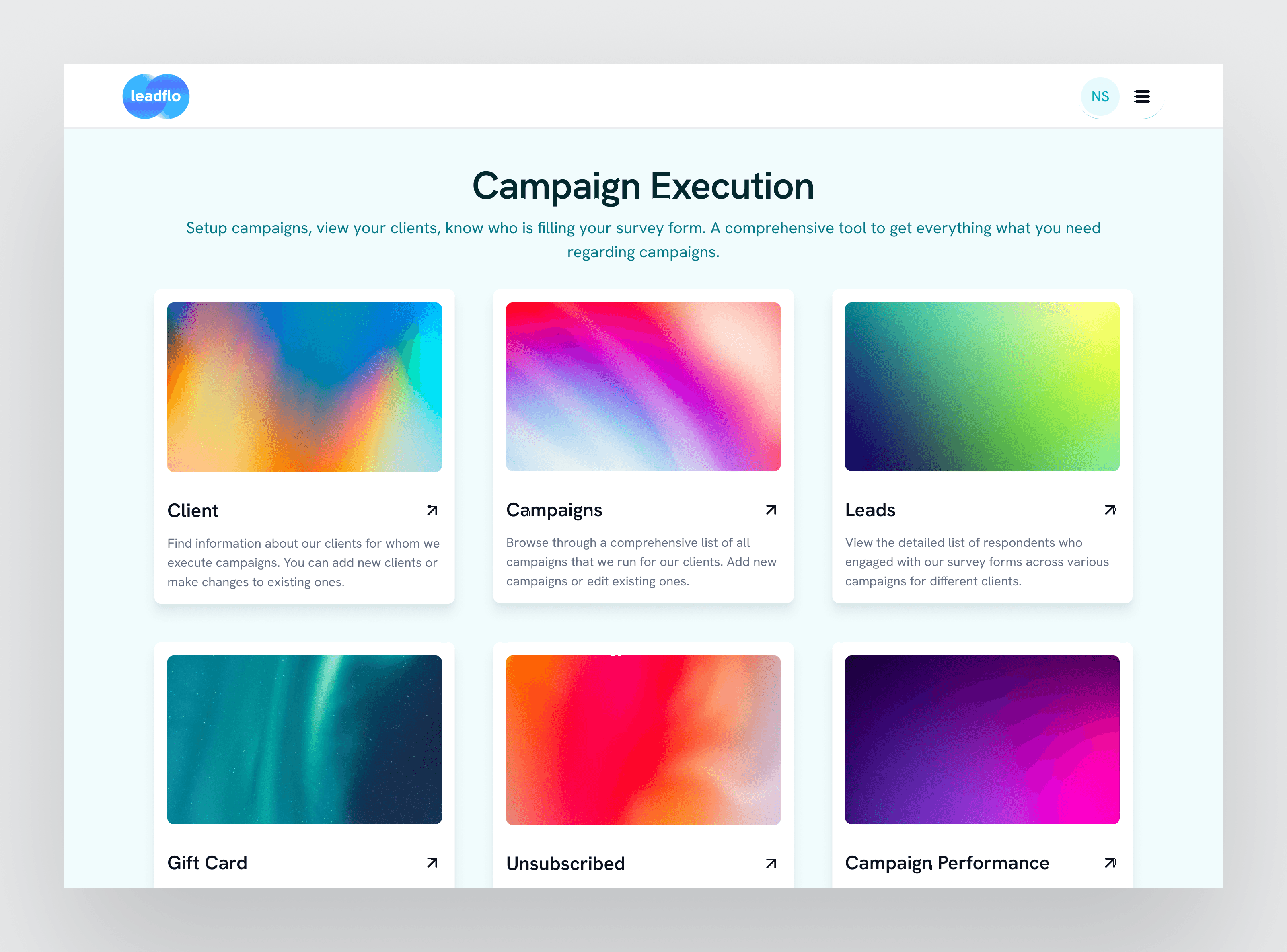
Process - How I got from scattered tools to one working system:
Discovery and pain points
1:1s with each module owner (Campaigns, Reporting, Goldmine, RightLeads, DS) and observing BDRs/analysts in live flows.
Analyzed complex workflows to identify areas for front-end simplification.
Strategic collaboration
Collaborated closely with the team to align on vision and goals.
Developed a design roadmap for feature enhancements and UX improvements.
Modern UI and design system
Created an intuitive interface that masked back-end complexity.
Implemented standard design patterns for consistent navigation and logical information architecture.
Goal: look modern without ornamental noise; speed up future work, not slow it.
Validation and iteration
Conducted feedback sessions with each owner to validate designs and make changes.
Continuously refined the product based on user feedback.
Outcome:
Faster setup - Pilot BDRs completed end‑to‑end campaigns up to 35% faster after the unified workspace redesign.
Fewer hand‑offs - Clearer object model and patterns reduced data mismatches and analyst‑dependent report requests by around 30%.
More self‑serve reporting - Templates and “explain this” nudges increased self‑serve report usage and cut ad‑hoc “can you pull this?” asks.
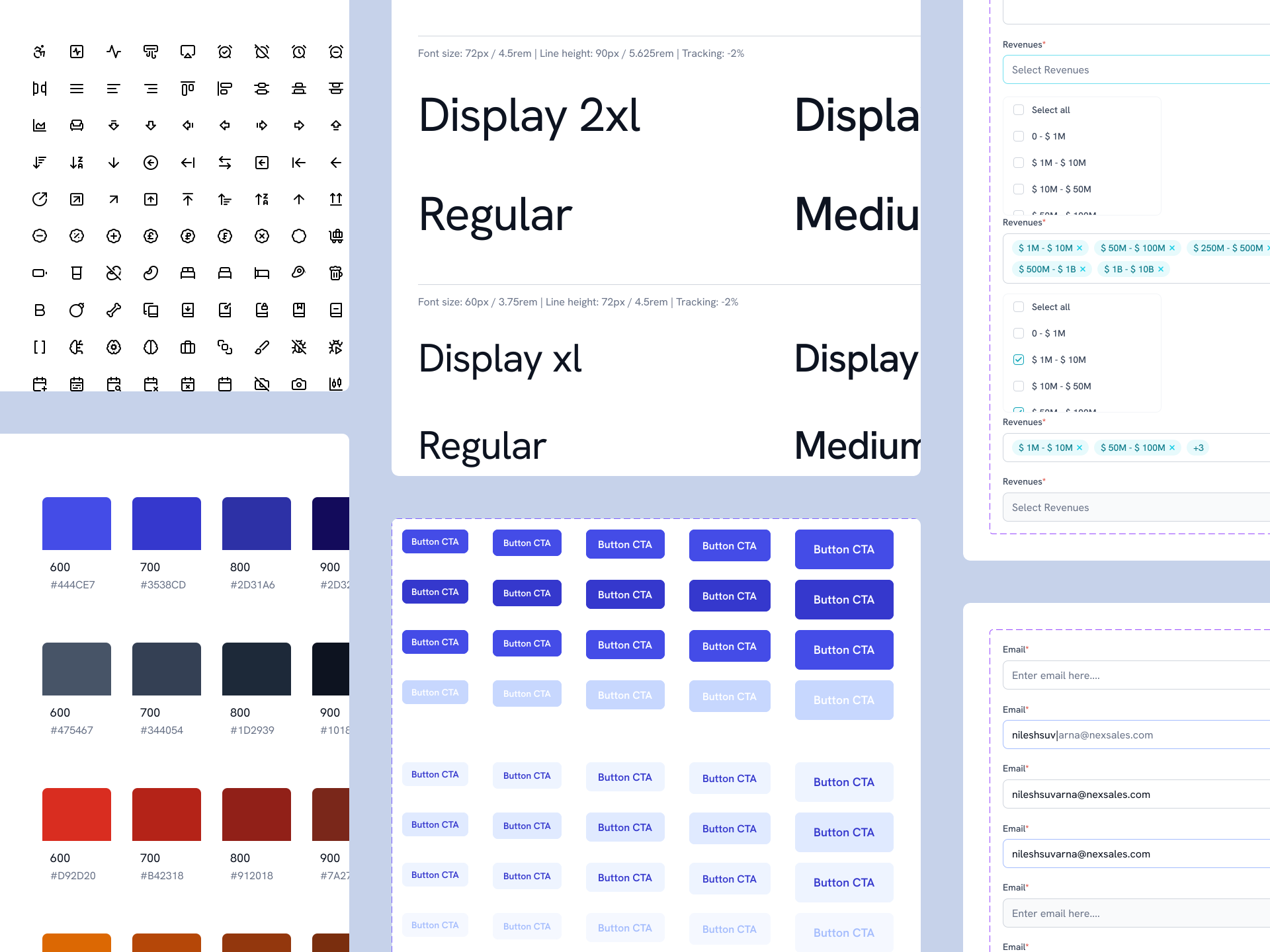
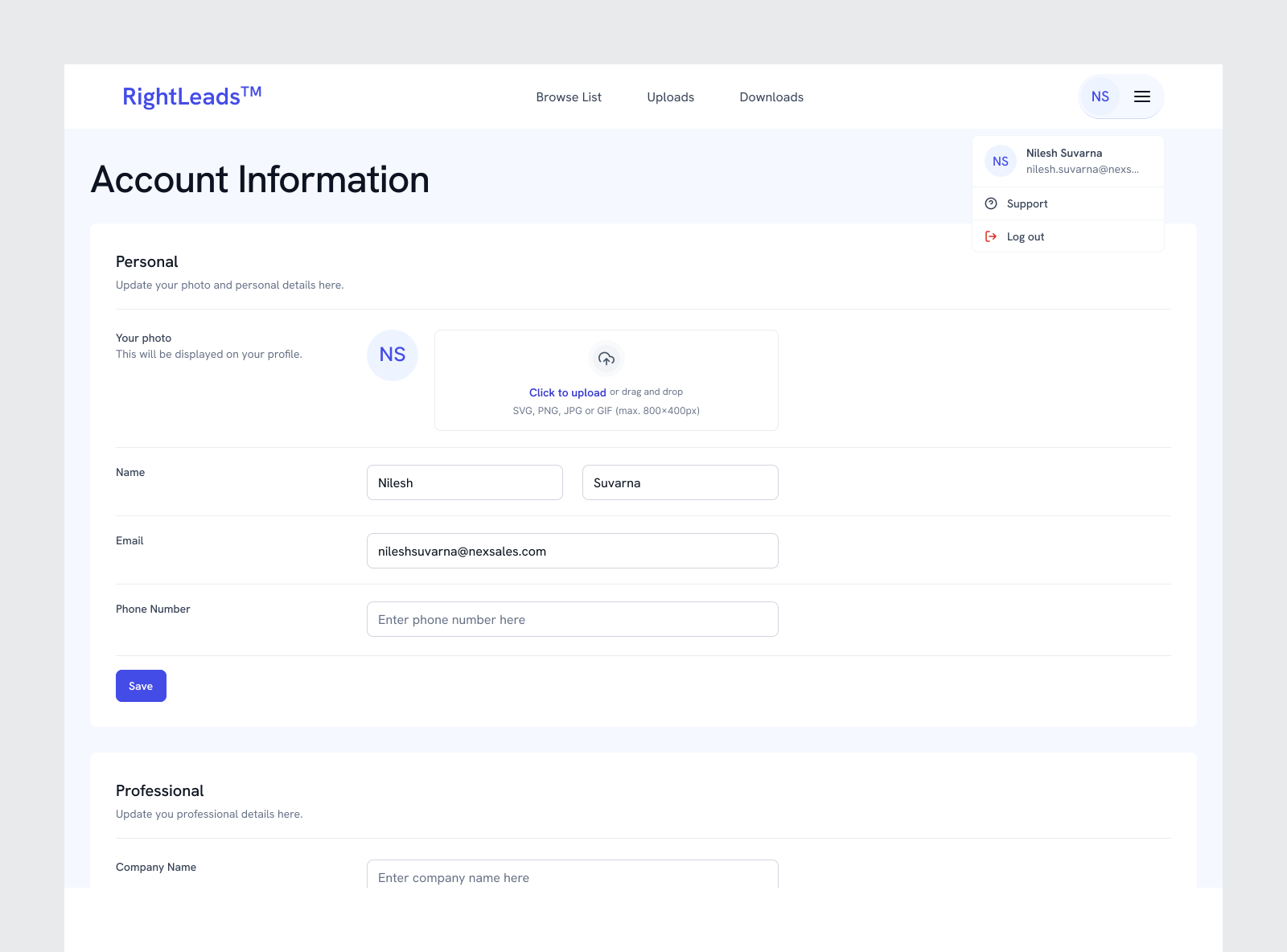
Scalable system - A 100+ component design system now supports faster feature shipping across Goldmine and RightLeads.
Key Learnings:
Start with the basics. Getting clear on how leads, accounts, campaigns, and results connect mattered more than changing the visuals.
Design with real users. Shadowing BDRs/analysts and testing template‑first reports drove adoption.
Improve in small steps. Run a pilot, track setup time and tool‑switching, then adjust the flows instead of guessing.
In short: prioritizing the model, measurement and actual user workflows turned five scattered tools into one workflow. Setup got quicker, tool-hopping dropped, reporting became self-serve, and the design system keeps new work consistent and modern.
Components: